
What Is Uninsured Motorist Coverage and Do You Really Need It?
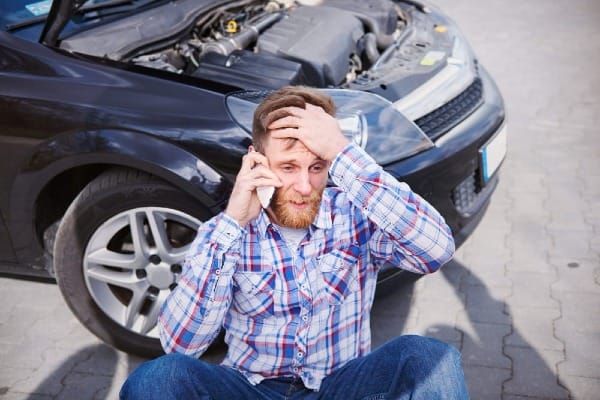
You're stopped at a red light, minding your own business, when someone rear-ends you. You get out, exchange information, and then the other driver admits they don't have insurance. Suddenly, what should have been a straightforward claims process turns into a financial headache that falls entirely on you.
That's the situation uninsured motorist coverage is designed to protect you from. But a lot of drivers either skip it to save money or don't fully understand what it covers. Let's break it down so you can make a smarter call about your own policy.
What Is Uninsured Motorist Coverage?
Uninsured motorist coverage (often written as UM coverage) is a type of auto insurance that pays for your injuries and sometimes your vehicle damage when the driver who caused the accident doesn't have insurance.
There are two main types:
- Uninsured Motorist Bodily Injury (UMBI): This covers medical expenses, lost wages, and pain and suffering for you and your passengers when an uninsured driver is at fault.
- Uninsured Motorist Property Damage (UMPD): This covers damage to your vehicle or other property caused by an uninsured driver. Not every state requires this type, and some states don't offer it at all.
Some policies also include underinsured motorist coverage (UIM), which kicks in when the at-fault driver has insurance but their limits aren't high enough to cover your actual losses. UMBI and UIM are often sold together, and understanding the difference matters when you're comparing policies.
How Common Is It to Get Hit by an Uninsured Driver?
More common than you'd hope. According to the Insurance Research Council, about 1 in 8 drivers in the United States is uninsured. In some states, that number is even higher. Mississippi, Michigan, and Tennessee consistently rank among the states with the highest rates of uninsured drivers.
That means every time you're on the road, there's a real statistical chance that the people sharing lanes with you aren't carrying the coverage required by law. And if one of them causes an accident with you, you're left holding the bill unless you have UM coverage.
What Does Uninsured Motorist Coverage Actually Pay For?
If an uninsured driver hits you, your UMBI coverage can pay for:
- Emergency room visits and hospital stays
- Surgeries and follow-up medical care
- Physical therapy and rehabilitation
- Lost income if you miss work due to your injuries
- Pain and suffering damages
Your UMPD coverage, where available, can pay for repairs to your car or the cost of replacing it if the damage is severe enough.
One important thing to know: hit-and-run accidents often qualify for uninsured motorist coverage too. If someone hits your car and drives off without stopping, your insurer may treat that driver as uninsured for claims purposes. This varies by state, so it's worth checking how your specific policy handles it.
Is Uninsured Motorist Coverage Required by Law?
It depends on where you live. Some states require you to carry uninsured motorist coverage as part of your auto policy. Others make it optional but must offer it to you in writing. A few states don't require it at all.
States that typically require UM coverage include New York, Illinois, Maryland, North Carolina, and several others. If you live in a state where it's mandatory, you're already covered (assuming your policy is active). But if you live somewhere it's optional, you'll need to decide whether to add it.
Even in states where it's not required, your lender or leasing company may have different expectations. Always check your financing agreement as well as state law before dropping optional coverages.
Why You Shouldn't Skip It Even When It's Optional
Some drivers skip uninsured motorist coverage to keep their premiums down. That's understandable, but here's the problem: if you're injured in an accident caused by an uninsured driver, your options without UM coverage are pretty limited.
You could try to sue the other driver, but if they couldn't afford insurance, they probably can't pay a judgment either. You could lean on your own health insurance, but health policies often have high deductibles, exclusions, and limits that leave gaps. And if you only carry liability coverage, your own policy simply won't cover your losses in this scenario.
Uninsured motorist coverage is one of the most cost-effective protections you can add to your policy. Because the insurer is ultimately paying its own policyholder rather than a third party, the claims process tends to be faster and less adversarial. And the added premium cost is often surprisingly low, sometimes just a few dollars more per month.
How Much Uninsured Motorist Coverage Should You Carry?
A common recommendation is to match your UM limits to your liability limits. If you carry 100/300 liability coverage (meaning $100,000 per person and $300,000 per accident), you'd want the same limits on your UM coverage.
Here's why that makes sense. Your liability coverage is the amount you'd want someone else to have if they hit you. So logically, your UM coverage should be at least that much to protect yourself in the same way.
If you're in a serious accident and your medical bills exceed your coverage limits, you'll be responsible for the difference. Higher limits give you more of a financial cushion, especially if you or a family member suffers a significant injury.
Uninsured vs. Underinsured Motorist Coverage: What's the Difference?
These two are closely related but cover different scenarios.
Uninsured motorist coverage applies when the at-fault driver has no insurance at all. Underinsured motorist coverage applies when the at-fault driver has some insurance, but their limits aren't enough to cover your actual damages.
Say someone with a $25,000 bodily injury limit causes an accident that results in $80,000 in medical bills for you. Their policy pays out $25,000, and your UIM coverage can cover the remaining $55,000 (up to your own UIM limit).
Many insurers sell UMBI and UIM as a combined coverage, so you may not even need to choose between them separately. Just confirm with your agent what's included in your policy.
Tips for Getting the Most Out of Your Uninsured Motorist Coverage
If you already have this coverage or are adding it, here are a few things worth knowing.
Document everything at the scene. Take photos, get witness contact information, and call the police even for minor accidents. A police report is often required to file a UM claim, especially for hit-and-run incidents.
Report the accident to your insurer quickly. Most policies have a notification window, and waiting too long can complicate your claim.
Keep your policy active. A lapse in coverage, even a short one, means your UM protection goes dark during that period. If something happens while you're between payments, you're on your own.
Review your limits annually. If your income has grown, your family has gotten bigger, or you've taken on new financial responsibilities, your coverage needs may have changed too.
Get the Coverage You Need with Mila
Getting hit by an uninsured driver can leave you facing medical bills, lost income, and vehicle repair costs that you never expected. Uninsured and underinsured motorist coverage helps protect you from those financial risks and can provide valuable peace of mind every time you get behind the wheel.
At Mila, we help drivers compare coverage options from multiple insurance providers so they can find protection that fits their needs and budget. Whether you're reviewing your current policy or shopping for a new one, understanding uninsured motorist coverage is an important step toward making a more informed insurance decision.
Frequently Asked Questions
Does uninsured motorist coverage cover hit-and-run accidents?
In many states, yes. Insurance companies often treat hit-and-run drivers as uninsured motorists, allowing you to file a claim under your uninsured motorist coverage. Requirements vary by state, and you may need a police report to qualify.
Is uninsured motorist coverage worth it if I have health insurance?
Yes. Health insurance may help cover medical expenses, but it typically does not cover lost wages, pain and suffering, or certain out-of-pocket costs related to an accident. Uninsured motorist coverage can help fill those gaps.
Can I decline uninsured motorist coverage?
That depends on your state's laws. Some states require uninsured motorist coverage, while others allow drivers to reject it in writing. Even when it's optional, many insurance professionals consider it one of the most valuable and affordable coverages available.