
How to Share Your Auto Insurance Two States Legally
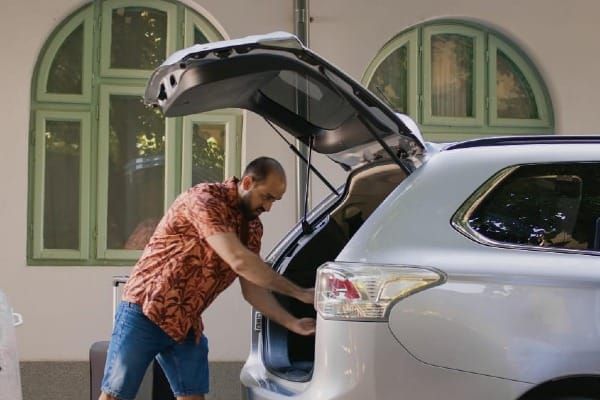
Moving from one state to another can make your car insurance more complicated than expected. If your car is registered in one state, parked in another, or still listed under an old address, you may not be as covered as you think.
Understanding how to handle auto insurance two states helps you avoid claim issues, registration problems, and unnecessary penalties. Here’s what you need to know if your life, work, or family situation now stretches across state lines.
Why Auto Insurance Two States Gets Complicated
Moving within the U.S. sounds simple until your car is involved. Insurance is regulated at the state level, which means each state can have different minimum coverage requirements, registration rules, proof of insurance standards, and penalties.
For example, one state may require only basic liability coverage, while another may require personal injury protection, uninsured motorist coverage, or higher liability limits. If your policy does not meet the state’s rules, you could face fines, registration problems, or claim issues.
For marketers, affiliates, and lead-gen professionals, this is also a high-intent consumer moment. Someone searching for insurance across two states is often not casually browsing. They are usually in the middle of a move, a job change, college relocation, family transition, or seasonal living arrangement.
That creates a clear opportunity to educate them before they make a costly mistake.
Common situations include:
- You recently moved but still have your old plates.
- You work in one state and live in another.
- You spend several months a year in a second state.
- Your child is away at college with a family vehicle.
- You are helping a parent relocate.
- You are temporarily staying with family while deciding where to settle.
In each case, the legal answer depends on where the car is primarily kept and whether your move is temporary or permanent.

How to Legally Handle Auto Insurance Across Two States
The right setup depends on your situation. There is no single answer for everyone, but most cases fit into one of these patterns.
You moved permanently to a new state
If you moved permanently, you will usually need to:
- Update your driver’s license.
- Register your vehicle in the new state.
- Get insurance that meets the new state’s requirements.
- Cancel or replace your old policy after the new one starts.
- Return old plates if your previous state requires it.
Do not cancel your old insurance before the new policy is active. Even a short lapse can lead to higher future rates or state penalties.
A smart order looks like this:
- Get quotes in the new state.
- Choose the new policy start date.
- Register the car if required.
- Confirm your old policy cancellation date.
- Keep proof of both transactions.
The key is avoiding a gap.
You live in one state but work in another
If you commute across state lines, your car is usually insured where it is garaged, not where you work.
For example, if you live in New Jersey and drive to New York for work, your policy will usually be based on your New Jersey address. But your insurer still needs to know your commute distance and driving pattern.
This matters because a long daily commute can affect risk. Be honest about how many miles you drive and where the vehicle is kept.
You split time between two homes
If you spend part of the year in one state and part in another, tell your insurer about both addresses. This is common for retirees, remote workers, seasonal workers, and families who split time between homes.
Your insurer may rate the policy based on where the car is primarily garaged. If you keep one vehicle in each state, each vehicle may need insurance and registration that matches its location.
For example:
- Car 1 stays at your main home in Arizona.
- Car 2 stays at your seasonal home in Colorado.
- Each car may need to be insured based on where it is principally kept.
Do not assume one address covers everything. Ask specifically how your company handles multi-state households.
Your college student takes a car out of state
College students can be a gray area. Some insurers allow a dependent student to stay on a family policy while attending school out of state. But the vehicle’s location still matters.
If your student takes the car and keeps it near campus most of the year, you should notify the insurer. The company may update the garaging address, adjust the rate, or explain whether a separate policy is needed.
This is especially important if the student works, changes residency, or keeps the car in the new state year-round.
Mistakes That Can Cost You Money
When people manage auto insurance across two states, the expensive mistakes are usually avoidable.
Mistake 1: Keeping the cheaper old address
This is tempting, especially when the new state has higher premiums. But if the address is no longer accurate, the savings may not be worth the risk.
A lower bill today can turn into a denied claim, cancellation, or backdated premium correction later.
Mistake 2: Letting insurance and registration mismatch
Some states electronically verify insurance. If your registration says one thing and your insurance says another, you may get notices, fines, or suspended registration.
Before you cancel or change anything, check whether your old state requires you to return plates or file proof that the vehicle has moved.
Mistake 3: Assuming minimum coverage is enough
State minimums are legal minimums, not financial protection goals. If you cause a serious accident, minimum limits can run out quickly.
For example, property damage from a multi-car crash can easily exceed $25,000. Medical costs can climb much higher. If your limits are too low, your personal assets may be exposed.
A better approach is to compare several coverage levels, not just the cheapest legal option.
Mistake 4: Waiting until after an accident
Insurance is easiest to fix before a claim. Once an accident happens, your timeline, address history, and vehicle location may all be reviewed.
If your life changed, update the policy before there is a problem.
Simplify Your Two-State Insurance Search With Mila
Managing auto insurance two states legally comes down to one principle: your policy should reflect real life. Your insurer needs to know where the car is mainly kept, who drives it, how it is used, and whether your move is temporary or permanent.
If you are helping consumers compare options, this is the right moment to make the process easier. Mila can help put these lessons into practice by making auto insurance comparison faster, clearer, and more useful for people navigating moves across state lines.
Visit Mila to help your audience compare auto insurance options and take the next step with more confidence.
Frequently Asked Questions
Can you have auto insurance in one state and live in another?
Usually, your auto insurance should match where your car is primarily garaged, not just where you used to live or where rates are cheaper. If you move to another state or keep your vehicle there most of the time, you should notify your insurer and update your policy if needed.
Do you need to change car insurance when moving to another state?
In most cases, yes. If your move is permanent, you will likely need a policy that meets your new state’s insurance requirements. You may also need to update your driver’s license and vehicle registration within your new state’s deadline.
Can you keep your car registered in one state and insured in another?
It depends on the state and your situation, but it can create problems if the registration, insurance, and garaging address do not match. To avoid penalties or claim issues, it is best to check your state’s rules and confirm with your insurance company before making changes.