
What Drivers Need to Know About AI Powered Auto Insurance
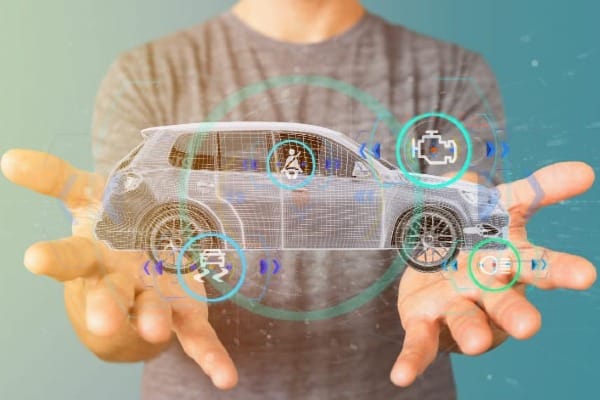
If you drive, you're familiar with how auto insurance works. But artificial intelligence is changing it. Now, it's more personal and quicker. AI auto insurance is changing how insurance companies work. It's better at figuring out risks and handling claims. This could make insurance cheaper and fit your needs better.
In this article, we'll dive into AI-powered auto insurance technology. We'll look at its good points and what it means for drivers like you.
The Evolution of Auto Insurance in the Digital Age
The digital age is transforming auto insurance, making it more efficient and personalized. It's key to know how old ways are being updated with new tech.
Traditional Auto Insurance Models vs. Modern Approaches
Old auto insurance used broad groups and general risk assessments. But now, advanced data analytics and insurance technology help offer personalized insurance pricing. This means insurers can give more accurate quotes based on how you drive.
Today, usage-based insurance is also big. It uses data from telematics devices or apps to set premiums. This makes insurance fairer and promotes safer driving.
The Emergence of AI in the Insurance Industry
AI in insurance is changing how insurers work, from underwriting to claims processing. AI can look at lots of data to spot patterns and predict risks better than old ways.
Also, AI chatbots and virtual assistants are boosting customer service. They offer 24/7 help and answer questions and claims. This technological advancement makes things more efficient and improves customer service in insurance.
Understanding AI Auto Insurance Fundamentals
AI is changing auto insurance a lot. It's how companies figure out risk and set prices. Knowing about AI auto insurance is key.
How Artificial Intelligence Transforms Insurance Pricing
AI is making insurance pricing better and more personal. Old ways used general data and past claims. AI looks at many things, like how you drive, your car's health, and the weather.
This data-driven approach lets insurers set prices that really match your risk. For example, safe drivers might pay less. Drivers with accidents or tickets might pay more.
Key Technologies Behind AI-Powered Insurance
Several technologies are leading the AI insurance change:
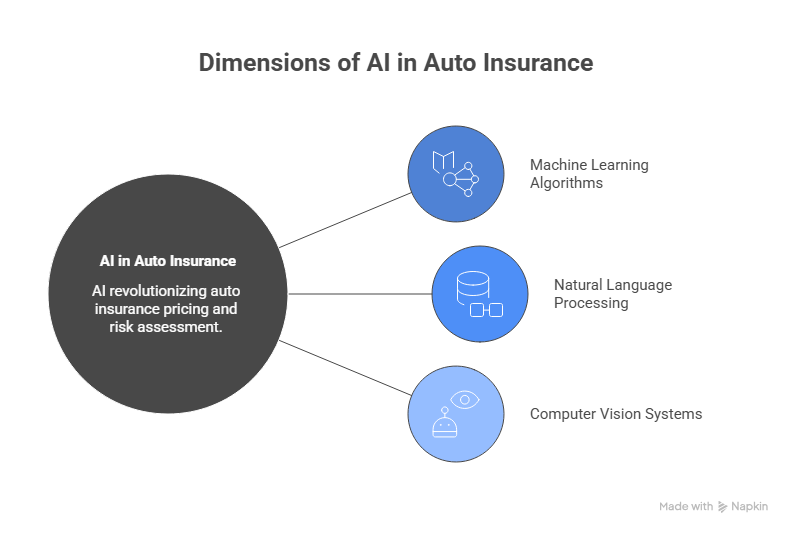
- Machine Learning Algorithms: These learn from data, spot patterns, and predict what might happen next.
- Natural Language Processing (NLP): NLP helps insurers understand lots of unstructured data, like claims reports and customer feedback.
- Computer Vision Systems: These systems look at visual data, like car cameras and surveillance, to check damage and spot risks.
Machine Learning Algorithms
Machine learning is central to AI insurance. It uses past data to guess future claims and set better prices. For example, it can look at telematics data to find accident-prone drivers.
Natural Language Processing
NLP is key for handling lots of unstructured data from customers and adjusters. It helps insurers improve how they write policies and serve customers.
Computer Vision Systems
Computer vision looks at visual data, like car damage photos. It helps speed up claims by automating damage checks and cutting down on human adjusters.
Insurers use these technologies to make insurance more accurate and tailored. As AI grows, we'll see more new uses in insurance.
Benefits of AI-Powered Auto Insurance for Drivers
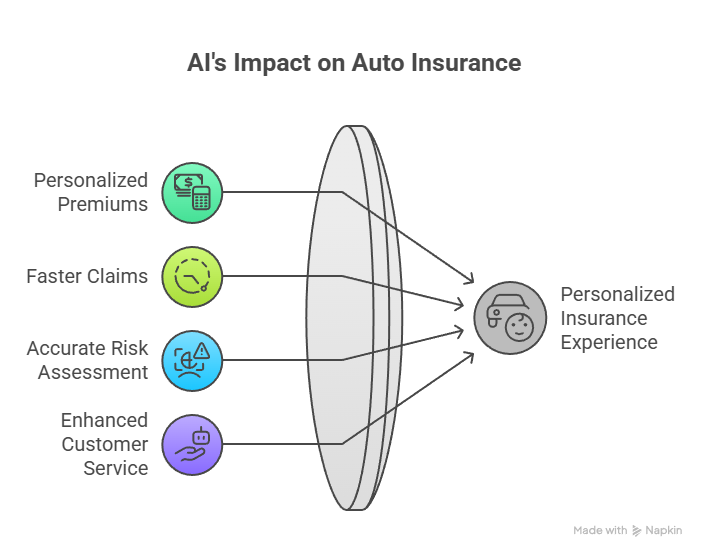
Drivers now get a more personalized and efficient insurance experience with AI-powered auto insurance. This new way of insurance changes how drivers deal with their insurance companies. It makes the experience more focused on the driver.
1. Personalized Premium Calculations
AI-powered auto insurance offers personalized premiums based on how you drive. Insurers use data from telematics devices and mobile apps to understand your risk. This way, they can set your premiums just right.
This method is fairer and encourages safe driving. For example, driving safely can lead to lower premiums. It rewards good driving habits.
2. Faster Claims Processing and Settlement
AI also makes claims processing and settlement quicker and easier. By automating the process, insurers can settle claims faster. This means drivers get the help they need sooner.
AI in claims processing also cuts down on mistakes. This makes the process fairer and saves insurers time and effort.
3. Improved Customer Service Experience
AI-powered auto insurance also improves customer service. It offers drivers easier and more responsive interactions with insurers. Chatbots and other AI tools help with information, claims, and policy management.
This better service experience boosts driver satisfaction. It also strengthens the relationship between drivers and their insurers.
How Telematics and Connected Vehicles Feed AI Systems
The auto insurance industry is changing thanks to telematics, connected vehicles, and AI. These technologies help insurance companies understand driving habits and vehicle performance better. This leads to more accurate and dynamic risk assessments.
- Usage-based insurance models use data from telematics and connected vehicles to set premiums. This makes insurance more personal, as your premium reflects your driving habits.
- Pay-as-you-drive programs charge you for the miles you drive. This is great for those who don't drive much, as it can save a lot of money. Telematics data helps insurance companies track your miles and adjust your premiums.
- Pay-how-you-drive programs look at your driving habits, like speed and braking. Safe drivers get lower premiums, while risky ones pay more. This model encourages safe driving and offers a detailed risk assessment.
Real-Time Driving Behavior Monitoring
Real-time monitoring lets insurance companies check your driving habits as they happen. They use this data to adjust your premiums and give tips on better driving. Telematics and connected vehicle tech help insurers provide more accurate risk assessments.
Understanding how telematics and connected vehicles feed AI systems helps you see the good and bad of usage-based insurance. As the auto insurance industry grows, staying up-to-date with these technologies is key.
How Transition to AI Auto Insurance Works
Thinking about switching to AI auto insurance? It's important to know what steps to take. This journey involves several key points that can shape your choice.
Questions to Ask Your Insurance Provider
Before you switch, ask your insurance provider important questions. Some questions to consider are:
- What data do you collect, and how is it used?
- How does AI impact my premium calculations?
- What kind of customer support do you offer for AI-driven insurance?
- How does your AI system handle claims processing?
Getting clear answers to these questions can guide your decision to switch to AI auto insurance.
Evaluating If AI Insurance Is Right for You
Deciding if AI insurance is for you requires careful thought. You should look at the cost-benefit analysis for your driving profile. Also, consider if AI insurance fits your driving habits.
Cost-Benefit Analysis for Different Driver Profiles
AI insurance suits different drivers in various ways. For example:
- Safe drivers might get lower premiums thanks to AI's risk assessment.
- High-risk drivers could see higher premiums, but AI offers tips to improve driving.
Understanding the cost-benefit analysis helps you see how AI insurance affects your budget.
Compatibility with Your Driving Habits
AI insurance isn't a one-size-fits-all solution. It's crucial to check if AI insurance matches your driving style. For instance, if you drive less, you might benefit from AI-based usage-based insurance.
By carefully weighing these factors and asking the right questions, you can confidently move to AI auto insurance.

The Future of AI in Auto Insurance
AI is changing auto insurance in big ways. It's improving current processes and opening up new possibilities. This change is exciting and full of potential.
Emerging Trends and Technologies
New trends are shaping AI in auto insurance. Predictive analytics is getting better, helping insurers understand risks and set prices that fit each customer. Telematics and IoT devices give real-time data on how we drive and our cars' health.
AI-powered chatbots are becoming common, offering quick help and handling claims fast. Blockchain technology is also being looked at for its role in keeping data safe and clear in insurance dealings.
Make Smarter Auto Insurance Decisions With Mila
Artificial Intelligence is changing how auto insurance is priced and managed, from risk assessment to claims processing. Understanding these shifts helps drivers know why rates change and what to expect as insurers adopt new technologies.
At Mila, we make it easier to compare auto insurance quotes online and find options that match your needs and budget. Even as the industry evolves, comparing quotes remains one of the most effective ways to stay in control.
Start comparing with Mila today and see how much you could save.
FAQ
What is AI-powered auto insurance?
AI-powered auto insurance uses artificial intelligence to change how insurance companies work. It looks at risk, sets premiums, and handles claims in new ways. It uses machine learning and other tech to make insurance more personal and efficient for drivers.
How does AI affect insurance pricing?
AI changes how insurance prices are set by analyzing large datasets. This includes how you drive, your car, and more. It helps make premiums more accurate and fair for drivers.
What are the benefits of AI-powered auto insurance?
AI auto insurance offers many benefits. It offers personalized premiums, processes claims efficiently, and assesses risk more accurately. It also improves customer service, making insurance more focused on the driver.