
How Street Parking Affects Your Auto Insurance Rates
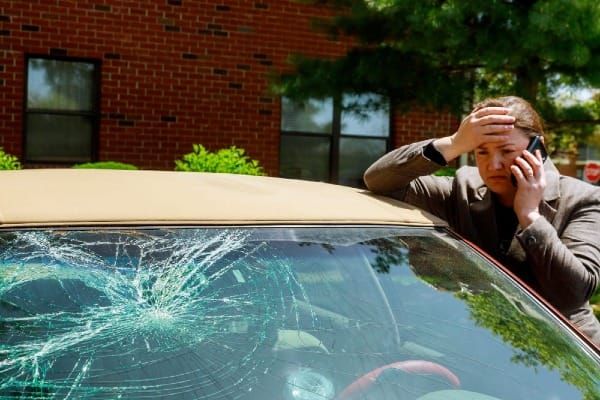
Living in a busy city often means you lack a private garage or a dedicated driveway. Finding the right street parking insurance is a critical step for vehicle owners who must leave their cars exposed to public elements every single day.
You need to understand how to perform accurate risk assessments and select the best protection types for your specific situation. By implementing smart security measures, you can keep your premiums manageable while staying protected. Follow these professional tips to ensure your vehicle remains safe against the unique hazards of urban life.
How Street Parking Affects Your Insurance Premiums
Street parking is more than just a daily convenience; it's a key factor for your insurance provider. When you park on the curb, your car is in a riskier spot. This affects your auto insurance premiums because insurers see street-parked cars as riskier than those in garages.
The Risk Assessment Process Used by Insurers
Companies use a detailed insurance risk assessment to set your rates. They look at past data to guess the chance of a claim in your area. This helps them understand how often cars in your area get damaged or stolen.
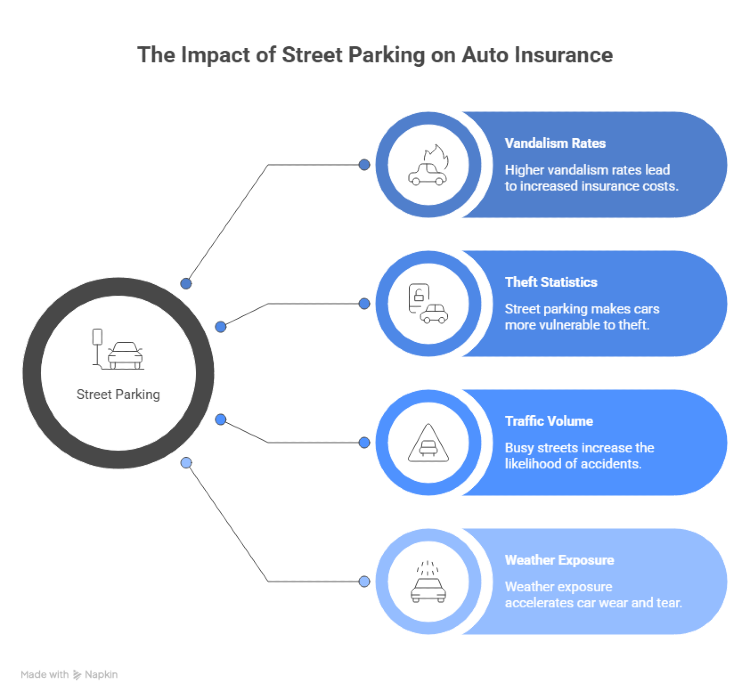
Insurers check several things to figure out your risk level. These factors help them decide if your parking habits mean you should pay more or less:
- Vandalism rates: Places with more property damage reports cost more.
- Theft statistics: Cars parked on the street are easier for thieves.
- Traffic volume: Busy streets mean more chances for accidents.
- Weather exposure: Cars exposed to the weather wear out faster.
Why Zip Codes and Neighborhood Density Matter
Your zip code is a major factor in your auto insurance premiums. Companies use neighborhood data to find high-accident areas. If you live in a crowded area, the chance of a crash goes up because there are more cars.
Neighborhood density is key in your insurance risk assessment. In cities, cars are close together, making small accidents more likely. Insurers raise your rates because your car is always near other drivers in a busy area.
What Are the Coverage Types for Street-Parked Vehicles
Leaving your car on the street overnight requires more than basic insurance. Your car faces dangers such as bad weather and accidents caused by other drivers. The right insurance helps avoid unexpected repair costs.
Comprehensive Coverage Explained
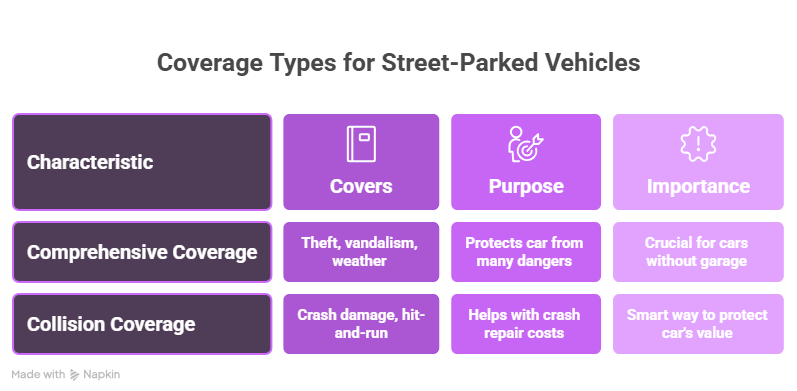
Comprehensive coverage is key for cars parked on public roads. It covers damage from theft, vandalism, and more. If someone damages your car while it's parked, this policy helps pay for repairs.
Without it, you'd have to pay for all the damage yourself. Getting comprehensive coverage is crucial for cars without a garage. It protects your car from many dangers.
Collision Coverage for Hit-and-Run Scenarios
Many think their standard policy covers all accidents. But collision insurance is needed for crash damage, including hit-and-run damage. If your car is hit and the driver runs, this coverage is your main help.
Handling hit-and-run claims can be tough. But the right collision policy makes it easier. It keeps your car in good shape without using up your savings. It's a smart way to protect your car's value in the city.
Strategies to Lower Your Street Parking Insurance Costs
To keep your budget in check for street parking, make a few smart changes. Street parking can raise your auto insurance premiums. But there are ways to manage these costs without losing necessary protection.
Bundling Policies for Better Rates
One effective way to save is by bundling your auto policy with other insurance. Many providers give big discounts if you bundle car insurance with renters' or homeowners' insurance.
This multi-policy approach makes your finances simpler and saves you money. Check with your current provider to see if they offer these bundles. It's a quick way to cut down your monthly bills.
Increasing Your Deductible to Offset Higher Premiums
To lower your monthly payments, think about raising your insurance deductible. A higher deductible means you pay more out of pocket for claims, which can lower your premium.
Ensure you have enough savings for this higher deductible in case of a claim. This method is highly effective for those looking to reduce ongoing costs.
Utilizing Telematics Programs for Safe Driving Discounts
Modern tech lets insurers reward safe driving. By joining telematics driving discounts, your insurance tracks your driving through an app or device.
Safe driving habits like smooth braking and steady speed can lead to big savings. These programs are a fantastic way to show you're a low-risk driver, no matter where you park.
Protecting Your Vehicle from Common Street Parking Hazards
By taking smart precautions, you can lower the risks of street parking. You can't control everything on public roads. But your daily habits can help keep your car safe.
Mitigating Risks of Vandalism and Theft
Start vehicle theft prevention by making your car less appealing. Always lock your doors and keep valuables out of sight.
Park in busy areas or under bright lights. Visibility is your best friend against thieves who like the dark.
Dealing with Weather-Related Damage
Nature can be unpredictable, and street-parked cars face the elements. Falling branches, heavy hail, or flooding can damage your car.
Comprehensive coverage is key for your peace of mind. It covers non-collision events like storm damage or vandalism, common risks without a garage.
Preventing Accidental Damage from Other Drivers
Street parking means sharing tight spaces with others. Avoid spots near busy intersections or narrow driveways for less risk of dings and scratches.
Choose a spot with enough room to avoid unnecessary headaches later. If your area has many accidents, comprehensive coverage and proper documentation help with claims.
How to Manage Claims for Damage Occurring on the Street
Discovering damage to your vehicle on the street can be stressful. But knowing how to handle the insurance claims process can help a lot. By staying calm and following the right steps, you can protect your money well.
Documenting the Scene After an Incident
When you see damage, start gathering evidence right away. Good documentation is key to your claim. It helps adjusters understand what happened.
- Take high-resolution photos of the damage from multiple angles.
- Capture images of the surrounding street environment and any nearby traffic signs.
- Write down the exact time and location where you discovered the incident.
- Collect contact information from any witnesses who may have seen the event.
Working with Police Reports for Hit-and-Run Claims
If another driver hit your car and left, you're dealing with hit-and-run claims. Most insurers need a police report to prove the damage was not your fault. This report is key proof you weren't at fault.
Call the police right away to file a report, even for small damage. Give them all your evidence. This helps them make a detailed record. This report is often a critical requirement for your insurer to process your claim without delays.
Communicating Effectively with Your Claims Adjuster
Talking clearly with your claims adjuster is key to a smooth process. Be honest, clear, and give them all your documentation. This openness ensures your collision insurance is used correctly for your case.
Keep a detailed log of all talks with your insurance rep. If you have questions about coverage or deductibles, ask. Being professional and organized helps you deal with your claim confidently.
Comparing Quotes for Street Parking Insurance
When you park on the street, comparing insurance quotes is key to avoiding unexpected costs. By shopping around, you can find a policy that matches your budget and meets your car's needs. Researching your options helps you avoid unnecessary costs and ensures you have the right coverage.
What to Look for in Policy Declarations
The declarations page is crucial for your street parking insurance. It shows what's covered, including your deductible and the risks your plan protects against. Make sure it includes comprehensive coverage, which is vital for theft or vandalism in street parking.
Be careful with the list of exclusions. Many drivers miss these details, only to find out their parking situation isn't fully covered. Always check how your policy handles claims for incidents when your car is unattended.
Balancing Premium Costs with Coverage Limits
Finding the right insurance policy limits is a balance between cost and security. Lower limits might save money, but could leave you exposed in case of a big incident. Your coverage should be enough to replace your vehicle if it's totaled or stolen.
Think about your car's value when setting limits. For newer cars, higher limits are often worth the extra cost to avoid big expenses. By carefully looking at these details, you can choose a policy that offers the best value and protection.
Take Control of Your Insurance with Mila
Managing auto insurance when you park on the street comes down to making informed, proactive decisions. Understanding your risks, choosing the right coverage, and reviewing your policy regularly helps you stay protected without overpaying.
At Mila, we make this process simple. Instead of guessing, you can compare multiple auto insurance quotes in real time, side by side, and choose the best coverage for your situation, all in minutes. This way, you stay protected, save money, and feel confident every time you leave your car parked.
Use Mila to explore your options and choose the coverage that fits your budget.
Frequently Asked Questions (FAQs) About Auto Insurance if You Park on the Street
Which coverage types are most important if I don't have a private driveway?
Focus on comprehensive coverage for theft, vandalism, and weather damage. Also, collision coverage and uninsured motorist property damage are key. They help protect you in hit-and-run scenarios, common in cities.
What happens if I tell my insurance provider I park in a garage when I actually park on the street?
Lying about your parking is fraud. It can lead to serious consequences. If Progressive finds out, they might deny your claim or cancel your insurance policy. Always be honest about where you park.
What should I do if my car is damaged while parked overnight?
First, document the scene with photos and videos. Check for witness info or security cameras. For hit-and-run claims, a police report is needed for your collision insurance benefits.