
How Inflation Impacts Auto Insurance Rates in 2026
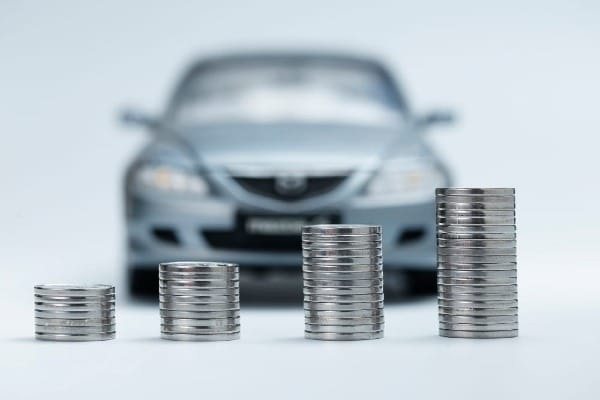
In 2026, inflation is affecting many areas of our lives, including auto insurance costs. The rising prices from inflation are not just for everyday things. They also raise insurance rates. You might be curious about how this will change your auto insurance costs.
The way inflation affects auto insurance rates is complex. It includes higher repair costs, more medical expenses, and other costs. Knowing these factors is key to understanding and managing your insurance costs in 2026.

We will look closer at how inflation is changing auto insurance rates. This will help you as a policyholder. Stay updated to make smart choices about your insurance.
Key Takeaways
- The relationship between inflation and auto insurance rates.
- Factors contributing to the increase in insurance rates due to inflation.
- Strategies for managing your insurance costs in an inflationary environment.
- The importance of staying informed about changes in insurance rates.
- How to anticipate and prepare for potential rate changes in 2026.
The Current State of Auto Insurance Inflation in 2026
Auto insurance inflation is a big worry in 2026, hitting millions of drivers across the country. The cost of auto insurance has gone up a lot, making it harder for drivers to afford. Many things are changing how auto insurance works.
Key Statistics on Rising Insurance Costs
Auto insurance costs have jumped by 10% in 2026 compared to last year. Some places have seen even bigger increases. The average cost for full coverage auto insurance now is $1,800 a year, up from $1,600 in 2025.
These price hikes aren't the same everywhere. Cities often see bigger increases because of more claims and higher repair costs.
Comparison to Pre-2026 Insurance Rate Trends
Looking back, auto insurance rates have changed a lot since 2026 started. Before, rates usually went up by 2-4% each year, matching general inflation. But now, rates are rising much faster, beating inflation.
This big jump is because of more expensive repairs, higher medical bills, and supply chain problems.
How the Economics Behind Auto Insurance Pricing Works
Insurers use a complex method to set your auto insurance rates. It's all about figuring out the risk and making sure premiums can cover claims. They also aim to keep rates competitive.

1. How Insurers Calculate Premiums
Insurers have a detailed premium calculation process. They look at your driving history, vehicle type, age, and where you live. They use data to guess how likely you are to file a claim and how much it might cost.
For example, driving a pricey vehicle means your premium might go up. This is because fixing or replacing such vehicles costs more.
They also consider bigger trends like repair cost changes and natural disaster frequencies. This helps them adjust their pricing models.
2. The Relationship Between General Inflation and Insurance Rates
General inflation affects auto insurance rates. When inflation goes up, so do the costs of repairs and medical care. Insurers then raise premiums to keep up with these costs.
For instance, if car parts get more expensive, premiums will likely go up too. Knowing this can help you prepare for rate changes and make better coverage choices.
Major Factors Driving Auto Insurance Inflation in 2026
Auto insurance in 2026 is facing big changes. Several factors are causing prices to go up. These changes are affecting the whole insurance industry.
1. Vehicle Repair Cost Increases
Repairing cars is getting more expensive in 2026. Modern cars have advanced tech and safety features. This makes repairs pricier, leading to higher insurance costs.
2. Healthcare Cost Inflation Impact on Bodily Injury Claims
Healthcare costs are rising, affecting auto insurance claims. Medical bills for injuries are getting higher. This means insurance payouts for injuries are also going up, leading to higher premiums.
3. Supply Chain Disruptions and Parts Availability
Supply chain issues are hitting the car parts market hard. These problems cause delays and higher repair costs. The lack of parts and their higher prices are adding to the inflation in auto insurance.
What is the Impact of Advanced Vehicle Technology on Insurance Costs
Advanced vehicle technology is changing how auto insurance works. It affects costs in different ways. As cars get more complex, repairs get pricier, which raises your insurance rates.
Expensive Replacement Parts for Modern Vehicles
Today's cars come with advanced safety features and tech, like ADAS. These features boost safety but also hike up the cost of parts.
ADAS Components and Repair Complexity
Fixing ADAS parts is tricky and requires special skills and tools. For example, fixing a camera system can take a lot of time and money.
Electric Vehicle-Specific Insurance Considerations
Electric vehicles (EVs) have expensive parts, like batteries. Insurers need to think about these costs when setting EV insurance rates.
How Safety Features Affect Premium Calculations
Safety features in cars might lower your accident risk, which could lower your insurance. But fixing or replacing these features can add to the cost. Insurers look at how these features affect your premium.
Regional Variations in Auto Insurance Inflation
Inflation affects auto insurance rates differently in various parts of the United States. You'll find that where you live greatly influences your insurance costs.
States with the Highest Rate Increases
Some states see bigger increases in auto insurance rates than others. For example, Louisiana, Michigan, and Florida have seen big jumps. This is because of high litigation rates, severe weather, and dense populations.
- Louisiana: High incidence of natural disasters and litigation
- Michigan: No-fault insurance system contributing to higher costs
- Florida: High rate of litigation and hurricane risks
Geographic Factors Influencing Insurance Costs
Where you live affects your insurance costs a lot. This includes whether you live in a city or a rural area and if your area is at risk for natural disasters.
Urban vs. Rural Premium Differences
City dwellers usually pay more for insurance. This is because of more traffic, crime, and demand for services. On the other hand, rural areas have lower rates but might face longer emergency response times.
Natural Disaster Risk Zones and Rate Adjustments
Areas at risk for disasters like hurricanes or floods see their rates go up. Insurers use special models to figure out these risks and adjust rates.

How Different Driver Demographics Are Affected by Auto Insurance Inflation
Auto insurance inflation affects people in different ways. Young, middle-aged, and senior drivers all face unique challenges. It's important to understand these impacts to make smart choices about your insurance.
Impact on Young Drivers
Young drivers, those under 25, often feel the pinch of rising insurance costs the most. Their inexperience makes them a higher risk, and higher premiums make it harder. Young drivers can expect their rates to go up by 10-15% each year.
To help, they can look into good student discounts or defensive driving courses. These can lower their insurance costs.
Middle-Aged Driver Rate Changes
Middle-aged drivers, aged 40-60, usually see more stable rate changes. Their rates depend on their driving history, credit score, and vehicle type. While they may not face as big of hikes as younger drivers, they still see rate increases due to inflation.
Comparing insurance quotes can help them find better deals.
Senior Drivers and Inflation Challenges
Senior drivers, aged 65 and older, face special challenges. They may have more experience but also slower reaction times and health issues. Inflation makes these challenges worse, making it crucial for seniors to check their policies often.
Some insurers offer mature driver discounts or senior-friendly policies. These can help ease the financial strain.
What is the Role of Economic Policies in Auto Insurance Inflation
Economic policies have a big impact on auto insurance rates. They can directly or indirectly change how much you pay for insurance. Knowing about these policies can help you choose the right coverage for you.
Federal Reserve Actions and Their Effects
The Federal Reserve's actions can greatly affect the economy. This, in turn, can change auto insurance rates. When the Fed changes interest rates or uses quantitative easing, it can push up prices in many areas, including insurance.
- Changes in interest rates can affect how much money insurers make from investments, leading to rate changes.
- Quantitative easing can make more money available, which can lead to higher inflation and insurance costs.
- The Fed's policies can also impact the economy as a whole. This can affect things like job rates and car sales, which can indirectly change insurance rates.
Regulatory Changes Impacting Insurance Pricing
Changes in laws and rules at the federal and state levels can greatly affect auto insurance prices. These changes can influence how insurers work, calculate risks, and set premiums.
Key regulatory factors include:
- Changes in insurance laws and regulations.
- State-specific rules governing insurance practices.
- Consumer protection measures that may impact insurer costs.
State Insurance Commission Responses
State insurance commissions are key in regulating insurance in their areas. They can affect auto insurance rates by deciding whether to approve or reject rate changes from insurers.
Consumer Protection Measures
Consumer protection is a big part of insurance regulation. These measures can influence insurance pricing by requiring insurers to follow certain practices or offer specific coverage options.
Examples include:
- Mandatory coverage for certain types of damages or injuries.
- Regulations on how insurers handle claims.
- Rules requiring clear pricing and policy terms.
Practical Strategies to Combat Rising Auto Insurance Rates
Auto insurance rates are going up, and we need to act. Finding ways to lower your insurance costs is key. Smart shopping and using insurance that fits your driving habits are good starts.
1. Shopping Around and Comparing Quotes
Looking for the best auto insurance rates is essential. Comparing quotes from different insurers can help you save money. It's a good idea to shop around at least once a year or when your situation changes.
2. Bundling Policies for Maximum Savings
Getting multiple insurance policies from the same company can save you a lot. Many insurers give discounts for bundling auto and home or renters insurance. This makes managing your insurance easier and can lower your costs.
3. Usage-Based Insurance Options
Usage-based insurance is gaining popularity. It sets premiums based on how you drive. There are two main types:
- Pay-per-mile programs
- Behavior-based discount programs
Pay-per-mile programs charge you for the miles you drive. This is great for those who don't drive much, as it's a fairer price.
Behavior-Based Discount Programs
Behavior-based discount programs watch how you drive. They look at your speed, braking, and acceleration. Safe drivers can get discounts, which is perfect for those who drive carefully.
By using these strategies, you can fight back against rising auto insurance rates. You can find a policy that fits your budget and needs.
How Different Types of Auto Coverage Are Affected by Inflation
Inflation is changing auto insurance rates in many ways. It's important to know how it affects your coverage. This will help you understand your auto insurance policy better.
Liability Coverage Rate Changes
Liability coverage, needed in most states, is seeing rate changes. The cost of legal fees and settlements is going up. This means your liability coverage rates might increase.
Comprehensive and Collision Coverage Inflation
Comprehensive and collision coverage are also feeling the pinch of inflation. Repairing or replacing vehicles costs more now. This is because of higher labor and parts prices. So, your comprehensive and collision coverage premiums might go up.
Specialized Coverage Inflation Trends
Specialized coverages like gap insurance or rental car coverage are also seeing rate hikes. These coverages are often extra, but their costs are rising, too. It's a good idea to check how these coverages affect your total insurance costs.
Lower Your Auto Insurance Costs by Comparing Quotes Online With Mila
Inflation affects auto insurance through higher repair costs, parts, and medical expenses, which can push premiums up over time. Knowing what drives these increases makes it easier to adjust your coverage, review deductibles, and avoid overpaying by renewing without checking other options.
Comparing quotes regularly is one of the simplest ways to stay in control. Mila lets you compare auto insurance quotes online in one place, helping you find better options and potentially save money as rates change.
Start comparing today and see how much you could save.
Frequently Asked Questions (FAQs) About How Inflation Impacts Auto Insurance Rates in 2026
Are there regional variations in auto insurance inflation?
Yes, auto insurance costs can differ a lot by area. Places with higher living costs, natural disaster risks, and urban vs. rural settings have different inflation rates.
How can I combat rising auto insurance rates?
To fight higher insurance costs, shop around and compare quotes. Bundling policies can save you money. Look into usage-based insurance, too. Keeping a clean driving record and using discounts can also lower your rates.
What role do economic policies play in auto insurance inflation?
Economic policies, like those from the Federal Reserve, can affect insurance costs. State insurance rules and consumer protection laws also shape the insurance market.